Same ledger underneath.
Built around your trade.
Every business here needs double entry. None of them need the same costing, the same chart of accounts, or the same screens on day one.
Industries
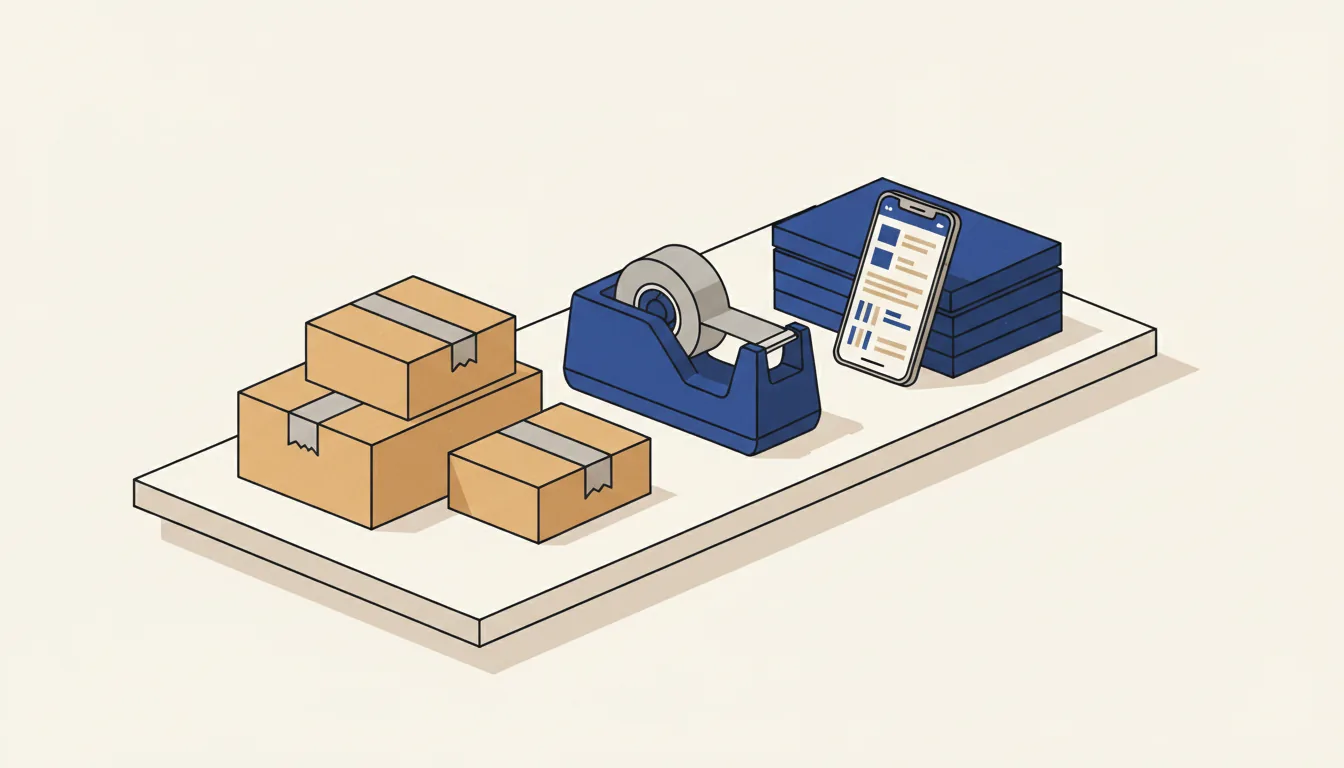
Ecommerce
Ecommerce & marketplace sellers
Marketplace payouts against the real cost of goods.
What it looks like→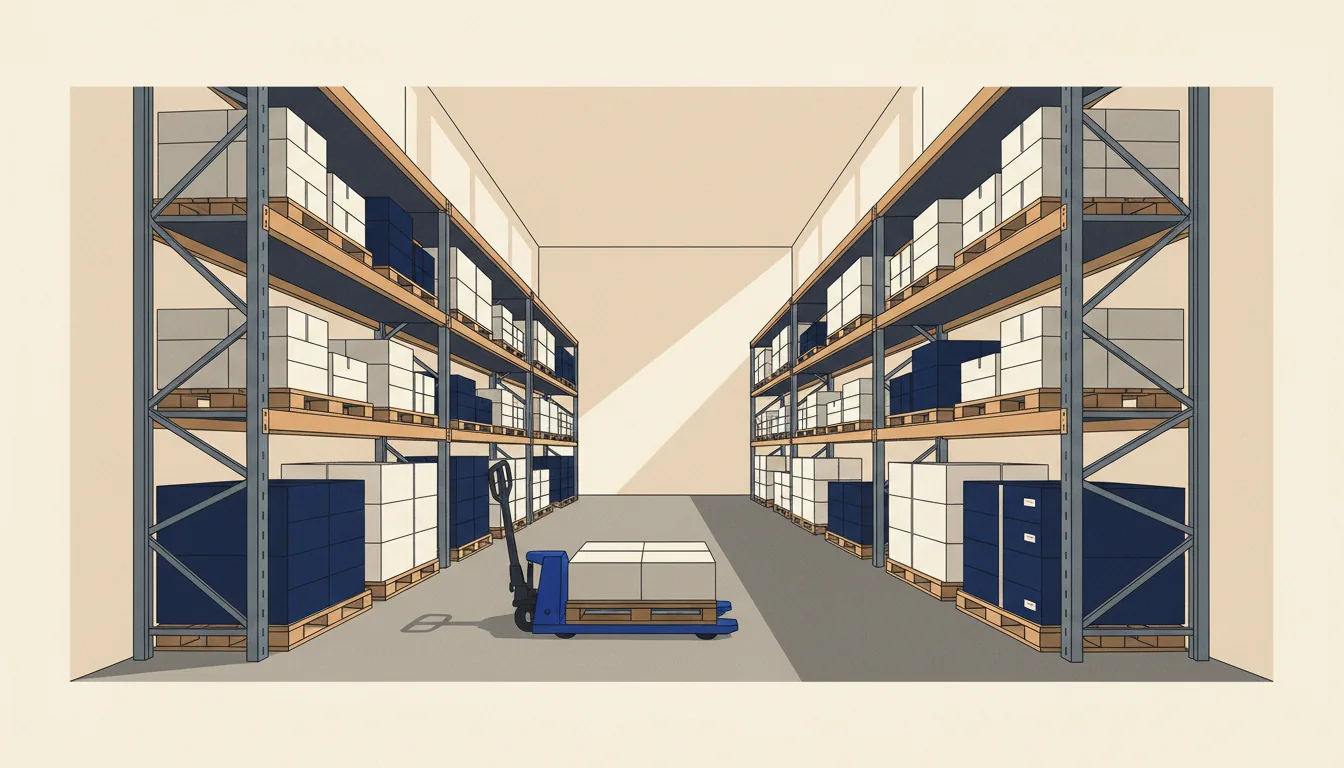
Wholesale
Wholesale & distribution
Supplier bills, goods received and an ageing list you can trust.
What it looks like→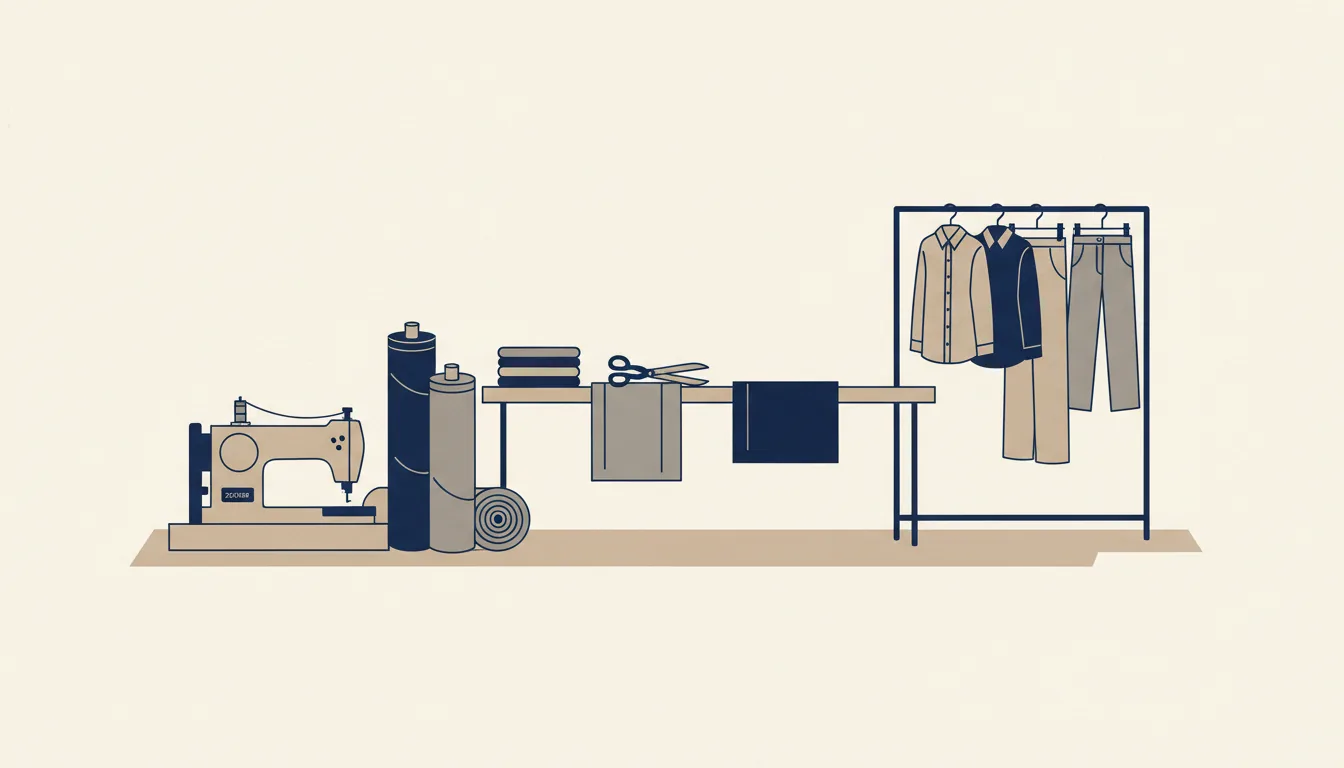
Manufacturing
Textile & garment manufacturing
Recipes, work in progress and the true cost of a finished piece.
What it looks like→
Retail
Retail & boutiques
Stock by location, payroll, and a daily cash position that is right.
What it looks like→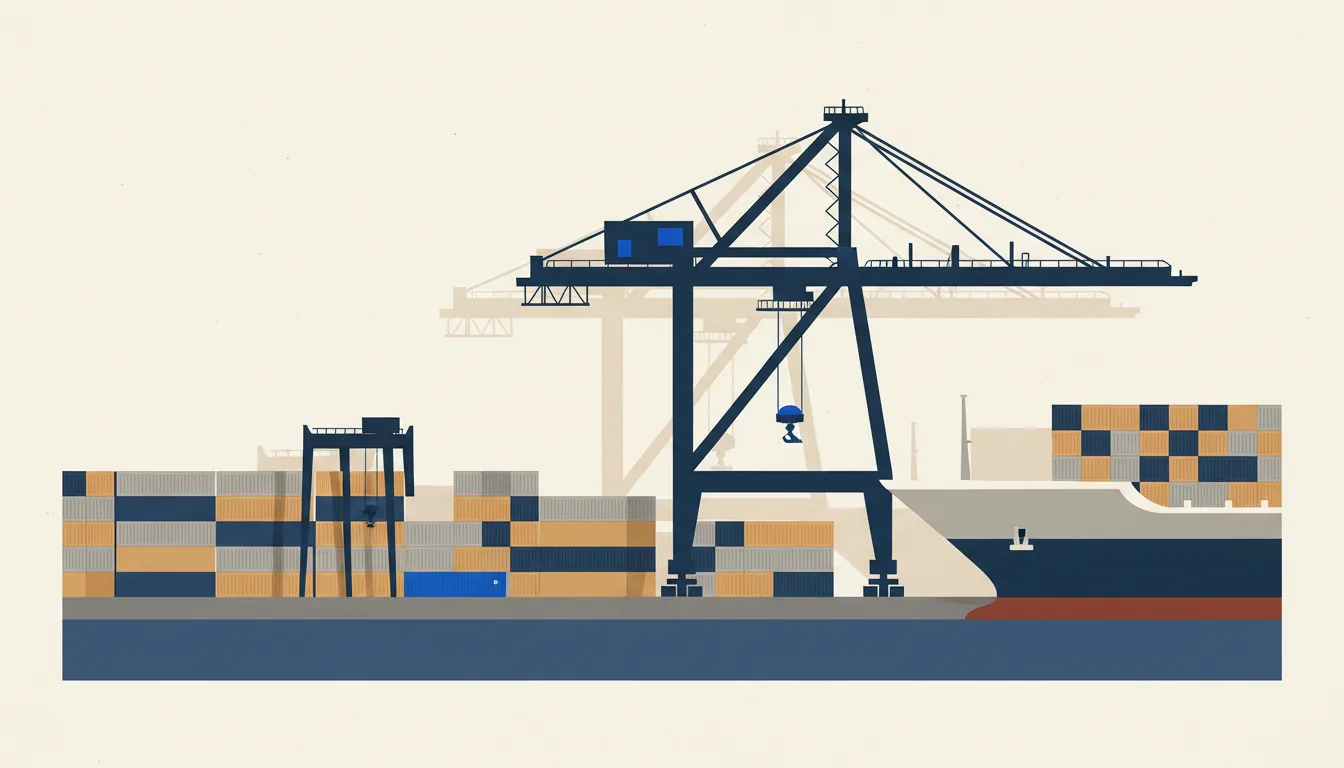
Import & export
Import & export
Landed cost, two currencies, and margins that survive both.
What it looks like→
Contracting
Contracting & projects
Costs that belong to a job, readable before it closes.
What it looks like→
Services
Services & agencies
Receivables, payroll and profit per engagement — no inventory in the way.
What it looks like→
Travel
Travel agencies & Umrah operators
Deposits, supplier advances and profit per trip — fed from your booking system.
What it looks like→
Groups
Groups & multi-brand owners
Brands kept apart, costs shared by rule, and one view across all of them.
What it looks like→
Accountancy practices
Accountancy practices
A ledger per client, roles per person, and links that expire.
What it looks like→
Custom work
How the custom part actually works
Businesses in a trade look alike until you get close. We build the difference rather than asking the business to change how it works to suit the software.
- 1
We watch the current process
Including the spreadsheet somebody maintains privately, which is usually where the real requirement is hiding.
- 2
It gets scoped and quoted
In writing, before anything is built, so the cost is a decision rather than a surprise.
- 3
It ships into your own books
Built on the same ledger, so a custom report reconciles to the statutory ones rather than disagreeing with them.
If what you need is not something we should build, we will say so on the call rather than after the invoice. Tell us what you run.
Tell us what you run
Fifteen minutes on what your business does and how the books are kept today is usually enough to say whether this fits.